 English
 中文简体
中文简体 Español
 عربى
عربى
Home / News / Industry News / How Does A Built-In Fireplace Improve Indoor Comfort And Atmosphere?
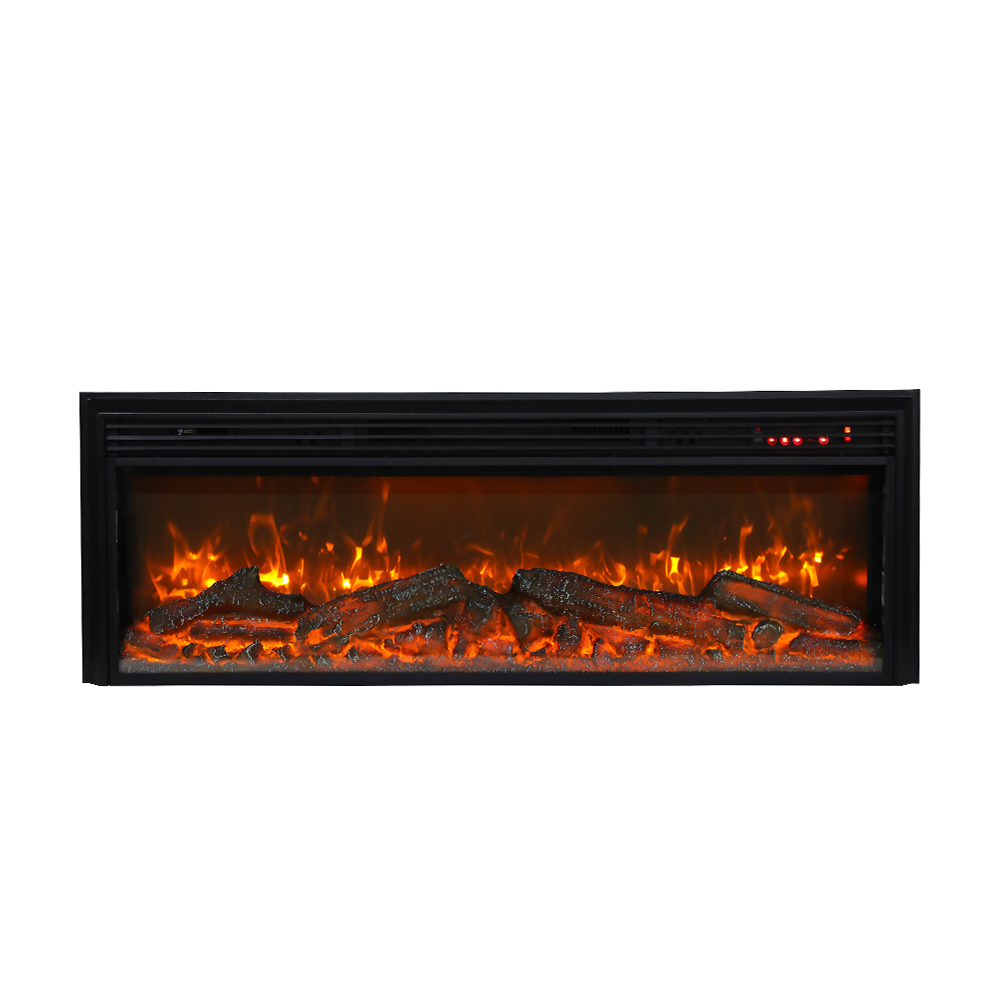
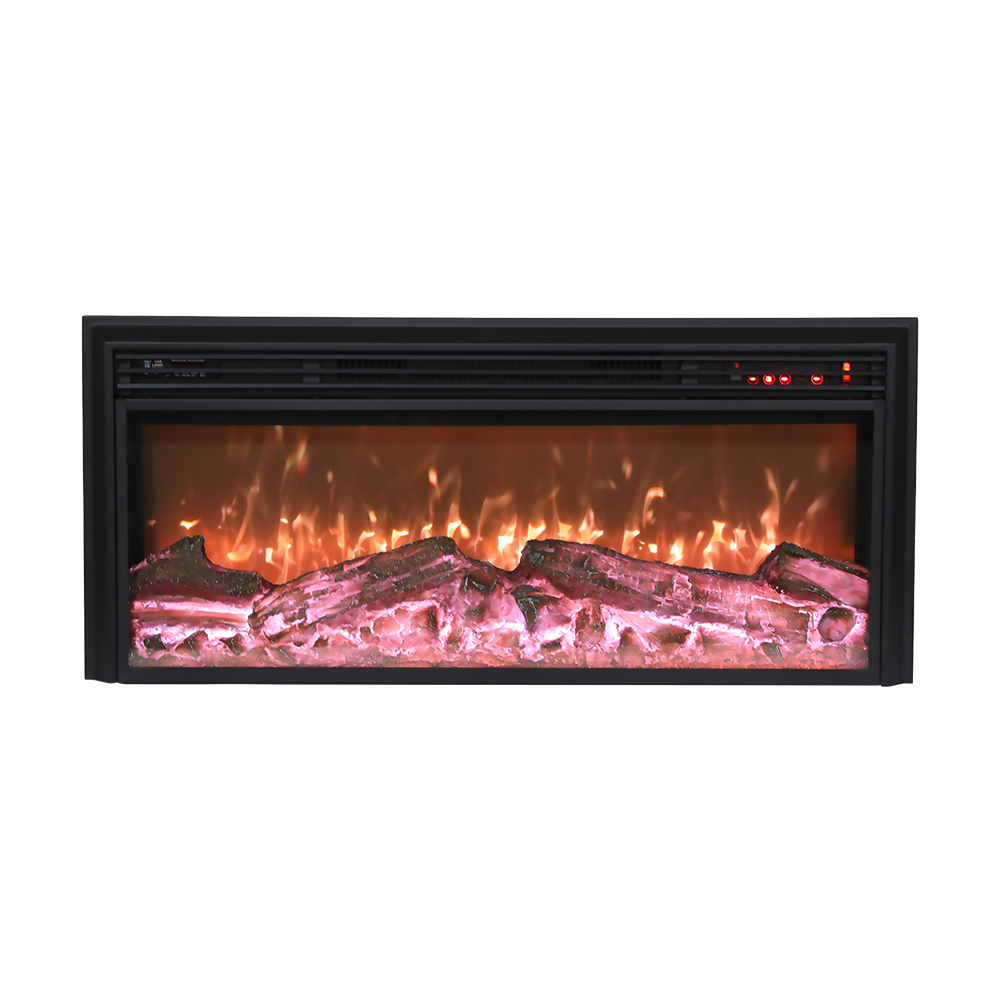
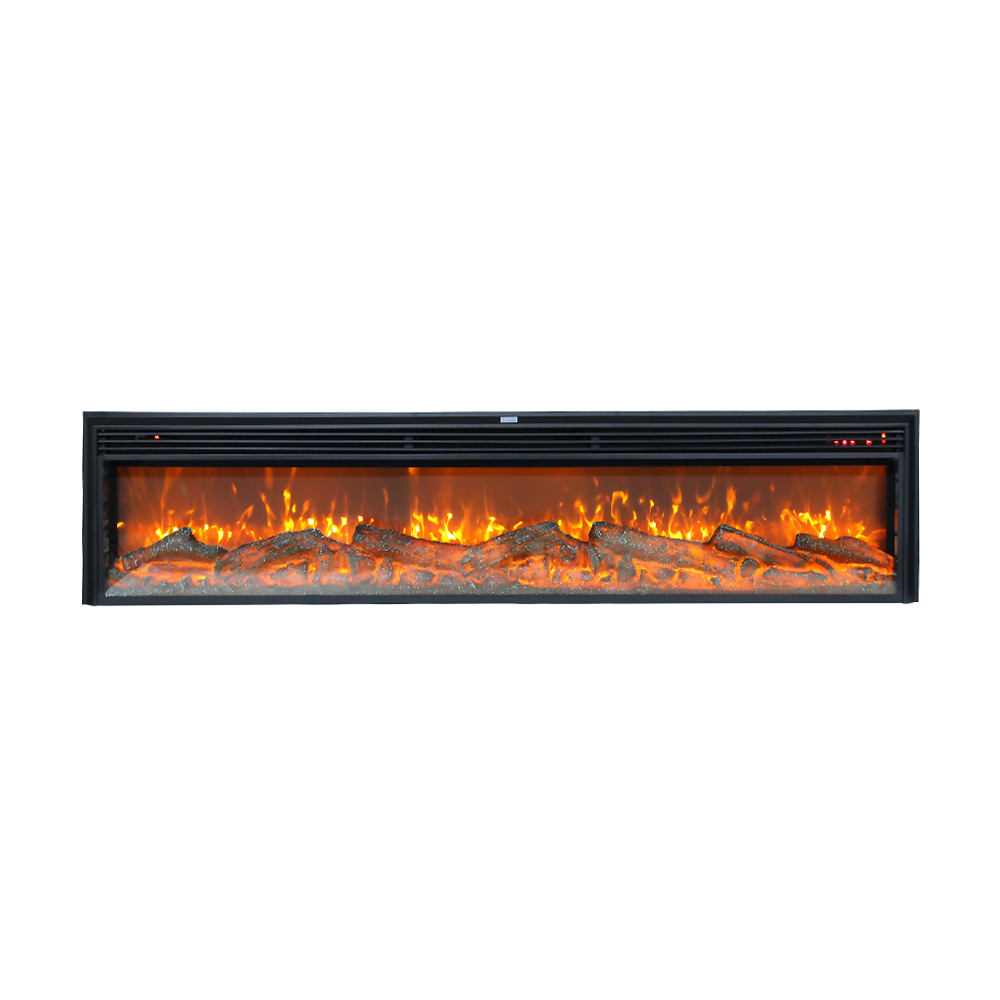
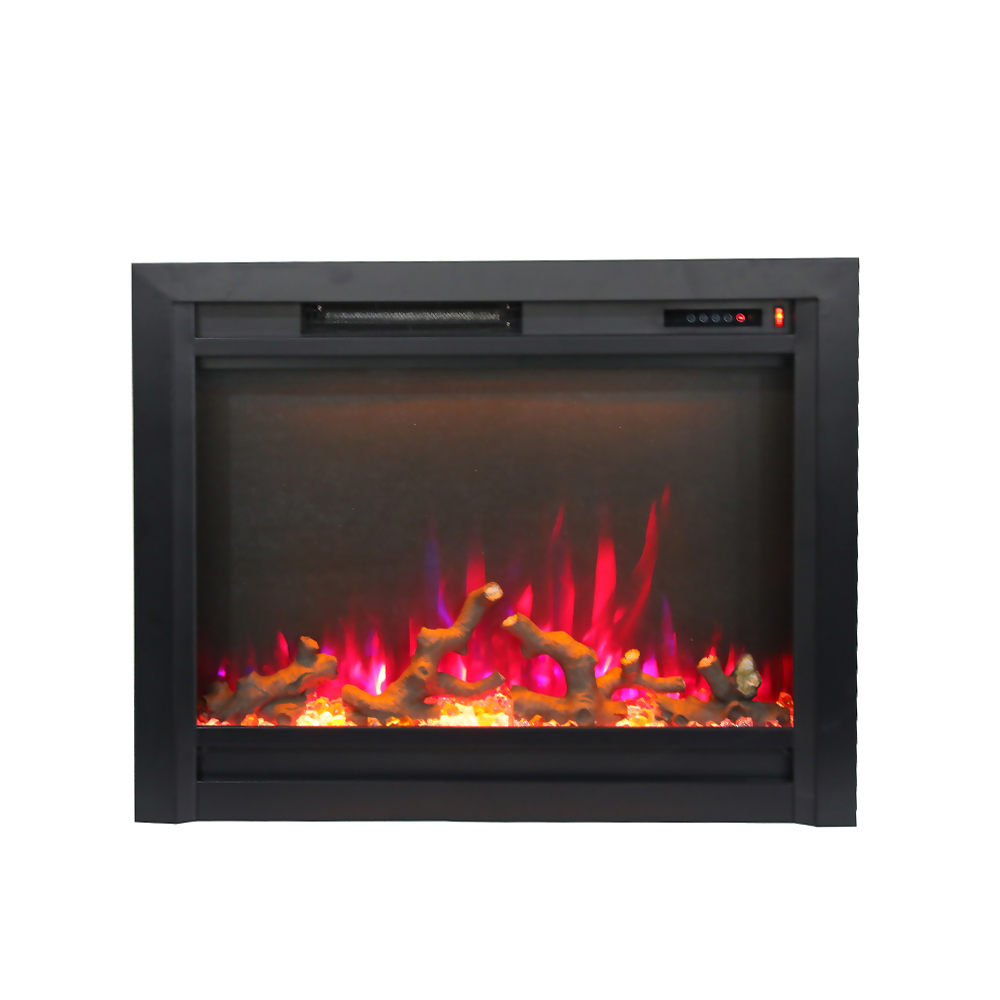
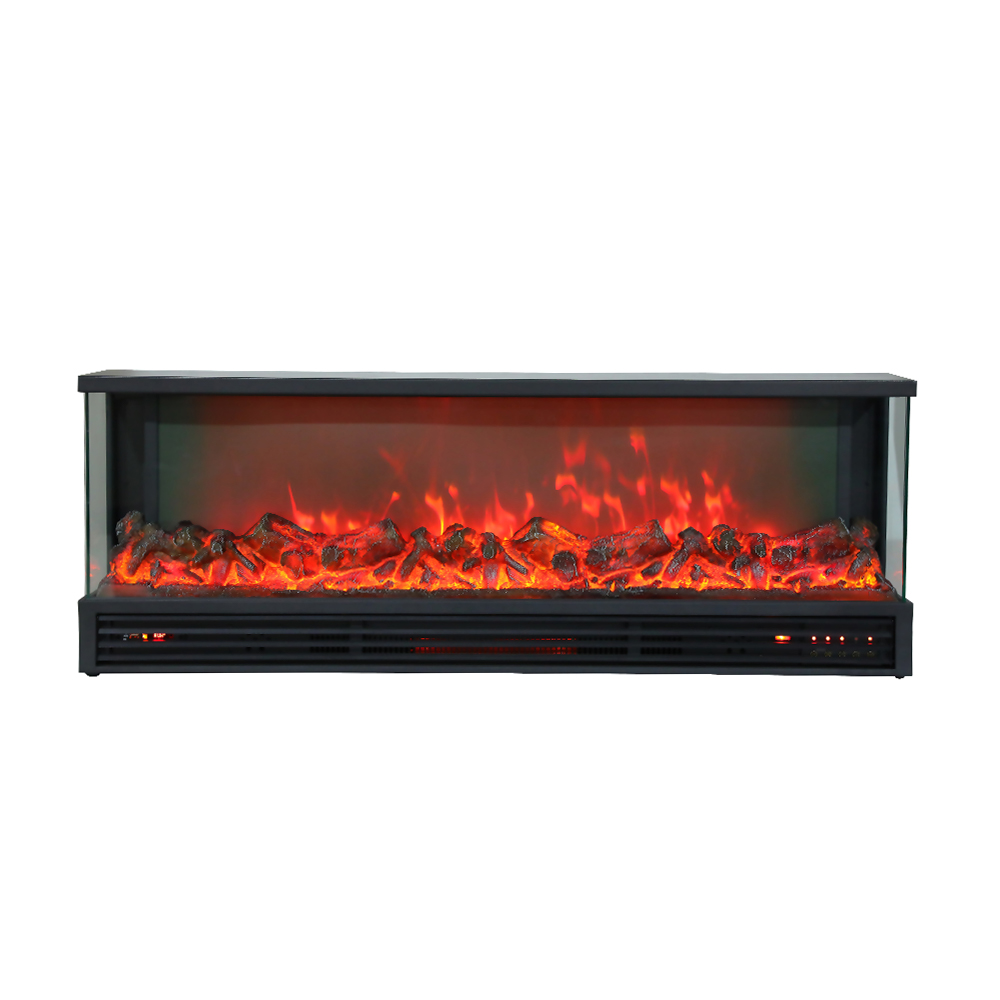
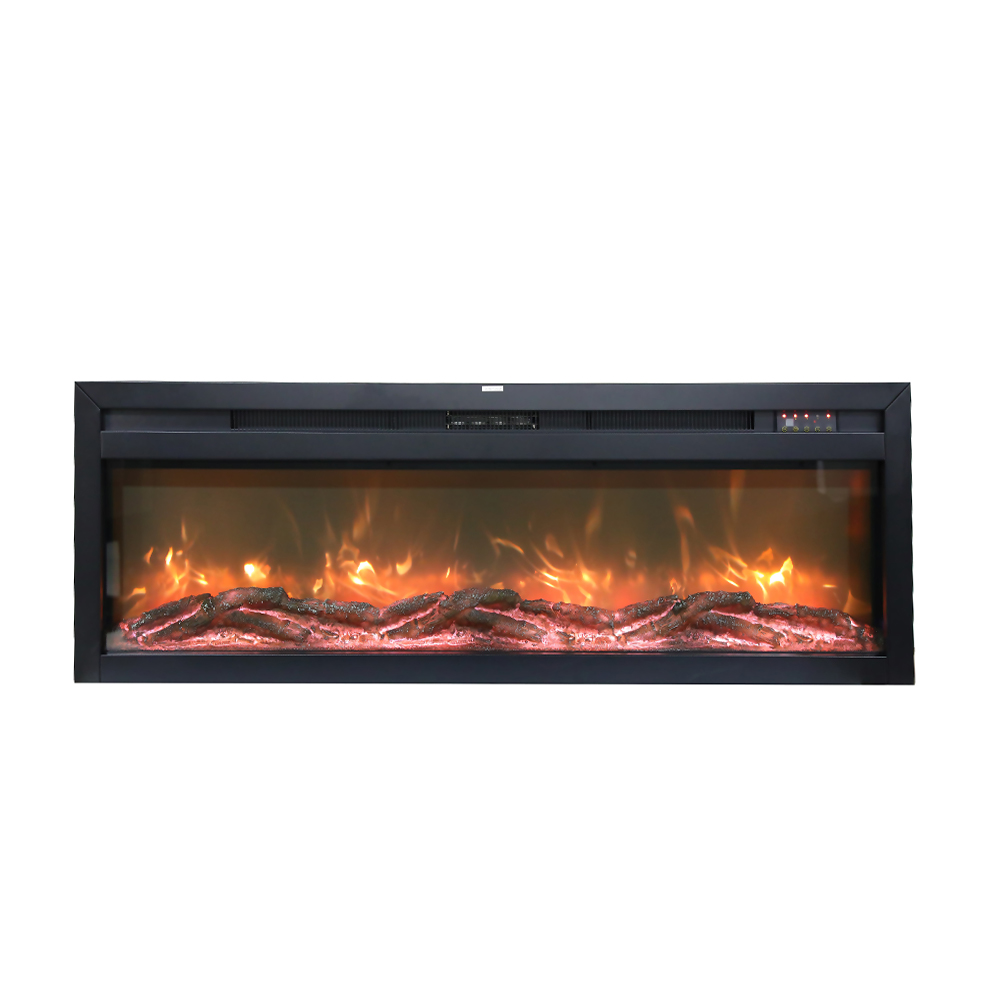
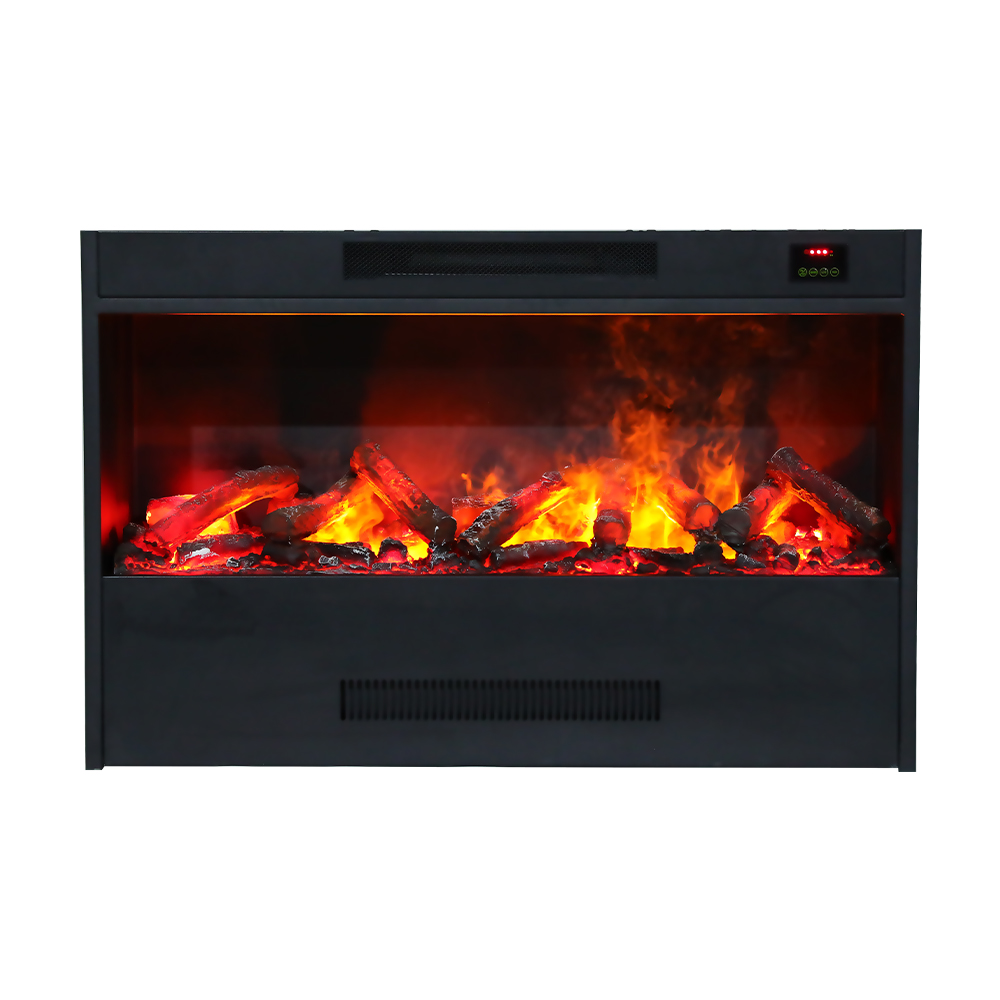
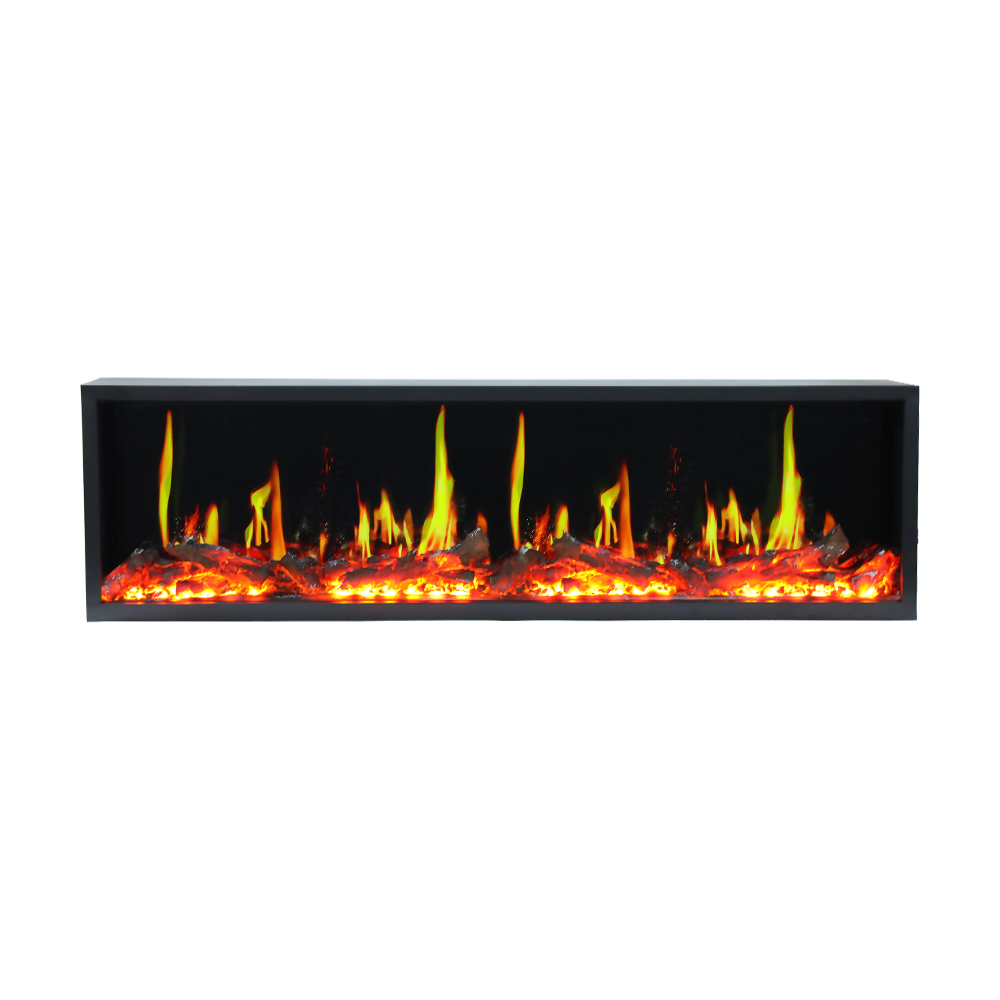
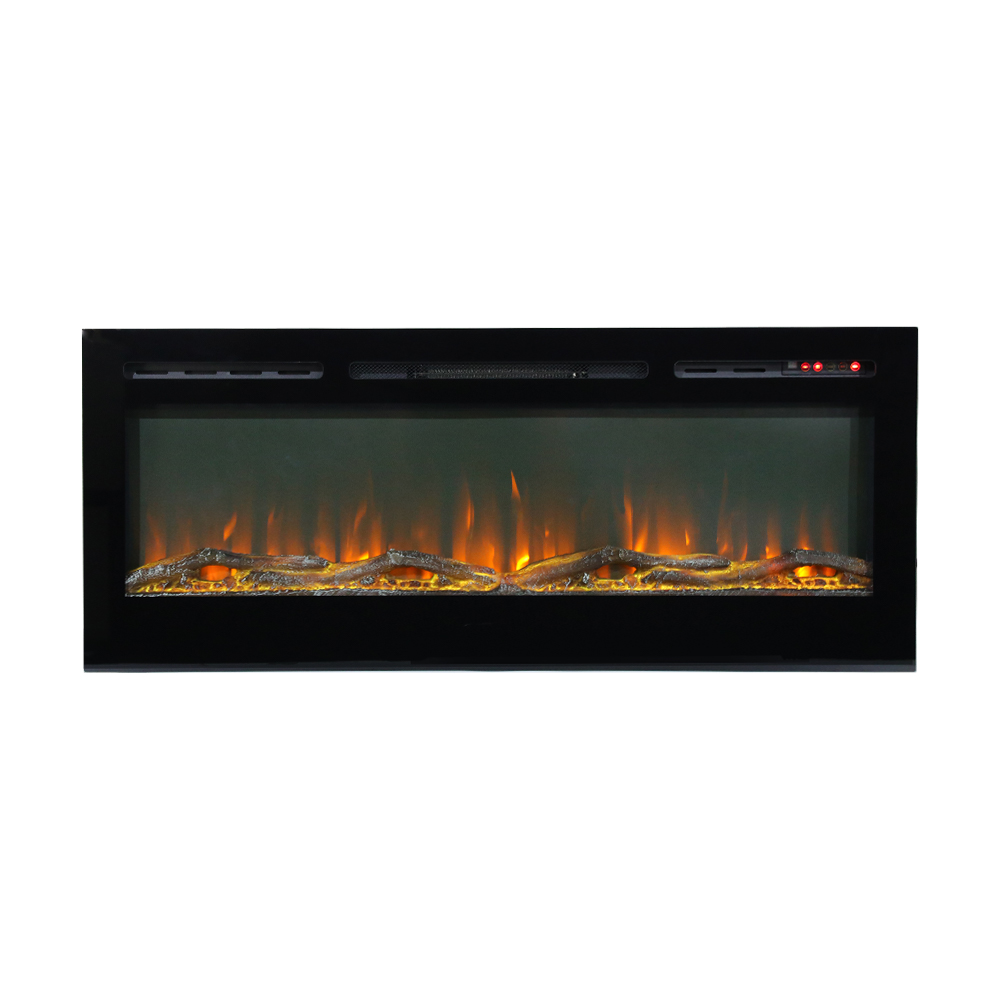
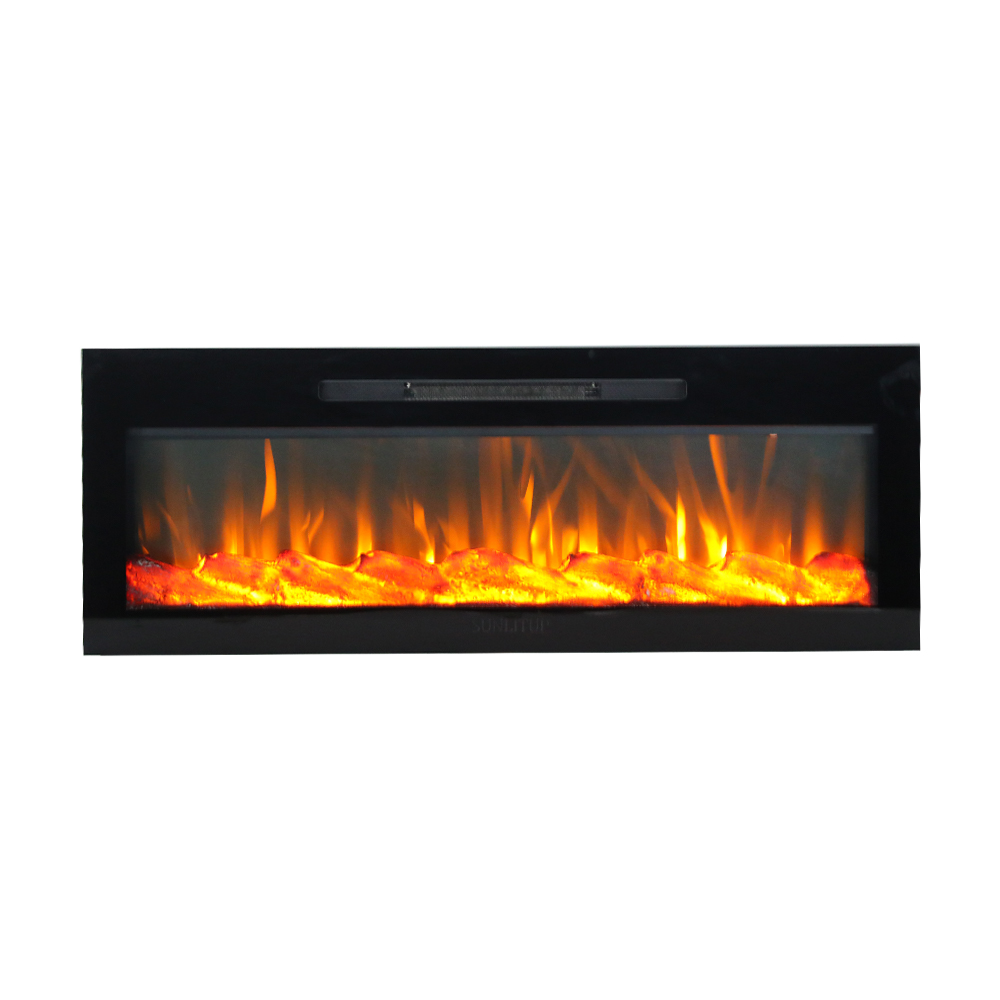
A Built-In Fireplace is no longer seen only as a heating product. In many interior projects, it becomes part of the architectural language of a space. By integrating directly into walls or custom structures, this type of fireplace creates a clean visual flow and avoids the clutter of freestanding units. Designers and project planners often look for solutions that combine appearance with daily usability, and this is where built-in designs stand out.
From apartments to villas and even hospitality spaces, a Built-In Fireplace helps define zones within an open layout while adding a sense of warmth and calm. It supports both visual comfort and practical indoor use without interrupting the overall design concept.
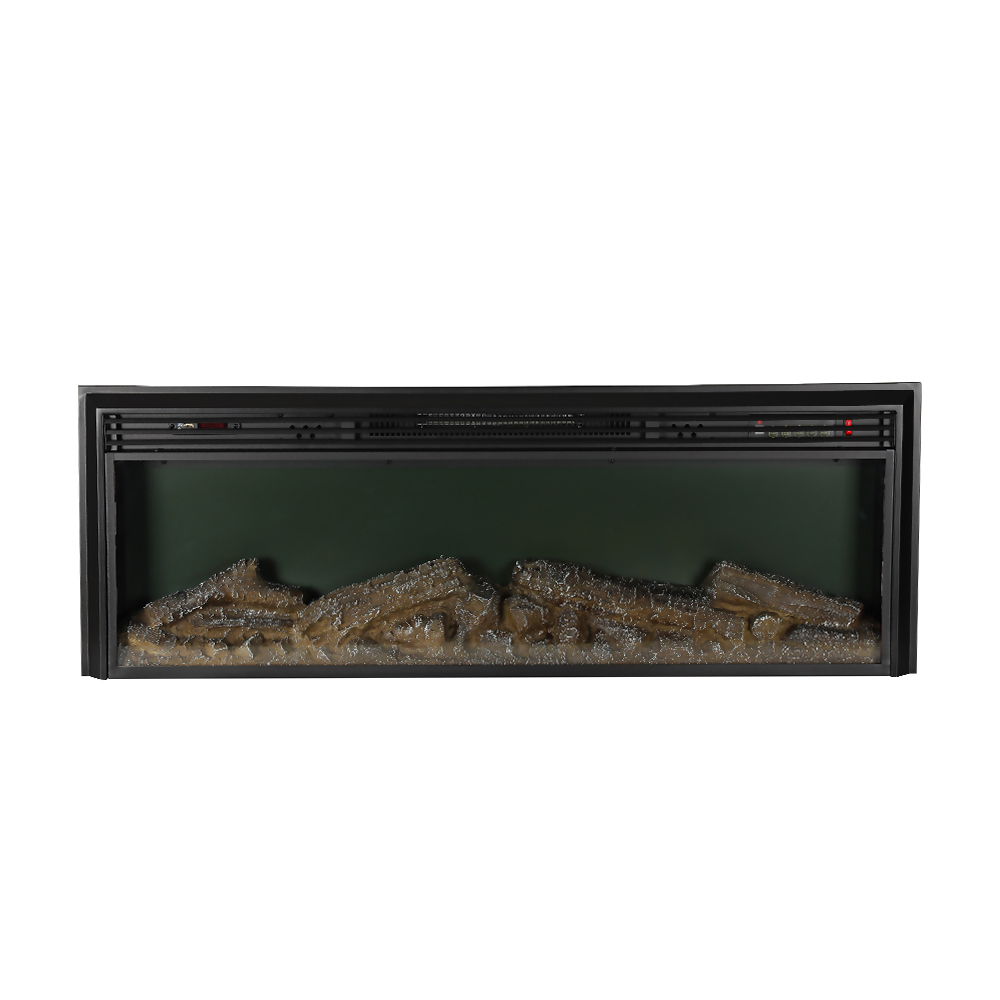
Understanding Real User Needs Behind Built-In Fireplace Projects
Many users begin their search with simple goals: improving atmosphere, adding warmth, and creating a visual centerpiece. As projects develop, more detailed needs appear. Space planning, fuel availability, wall structure, and long-term maintenance all influence the final decision.
A reliable Built-In Fireplace Manufacturer usually understands these concerns early in the project. Instead of focusing only on appearance, experienced factories support solutions that align with local installation conditions and daily usage habits. This helps reduce design conflicts during construction and later use.
Fuel Options and How They Shape Usage Experience
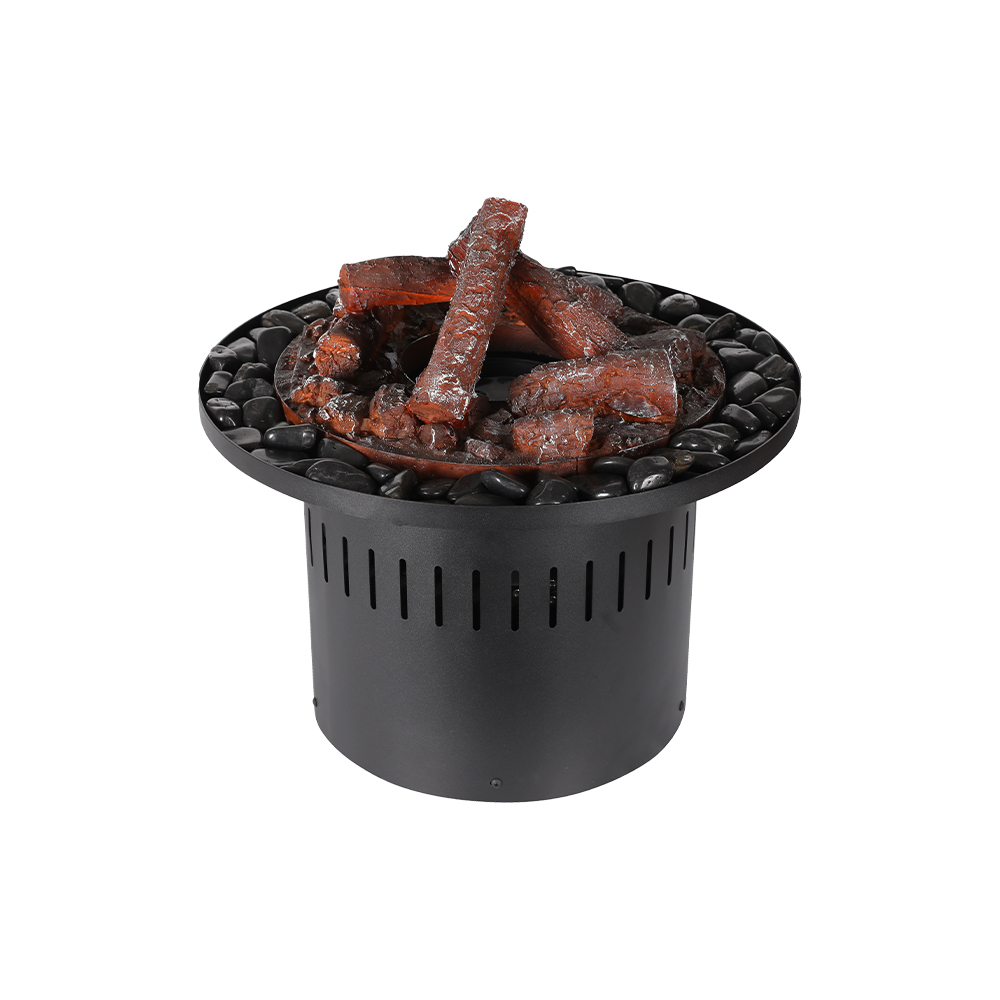
Choosing the fuel type directly affects how a Built-In Fireplace is used. Gas models are often selected for convenience and adjustable flame control. Electric versions work well in locations where venting is limited, and installation needs to stay simple. Wood-burning options appeal to projects aiming for a traditional feel, though they require more planning around ventilation and cleaning.
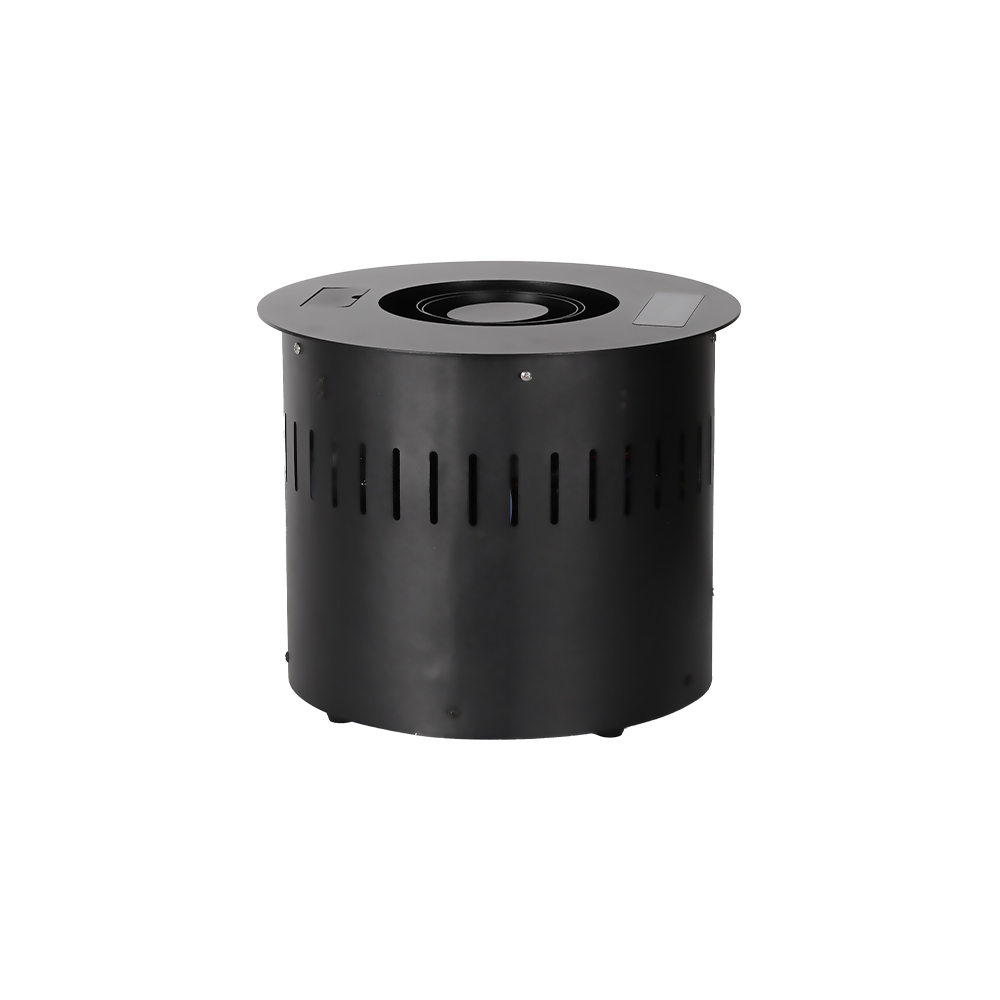
Ethanol fireplaces are also used in modern layouts, especially where visual effect matters more than heat output. Each option suits different environments, and a professional Built-In Fireplace Manufacturer typically provides guidance based on regional standards and project goals.
Design Flexibility Across Interior Styles
One advantage of a Built-In Fireplace is how easily it adapts to different design languages. In modern interiors, it often appears as a linear feature with clean edges and neutral finishes. In more classic spaces, it can be combined with stone, tile, or custom surrounds to create depth and character.
Because the unit is integrated into the structure, designers have more freedom to control proportions and placement. This makes it easier to align the fireplace with furniture layouts, wall features, and lighting plans without visual conflict.
Installation Planning and Structural Considerations
Installation is one of the stages where planning matters a lot. Wall depth, ventilation paths, and access for future service all need attention. Built-in units usually require coordination between designers, builders, and suppliers before construction starts.
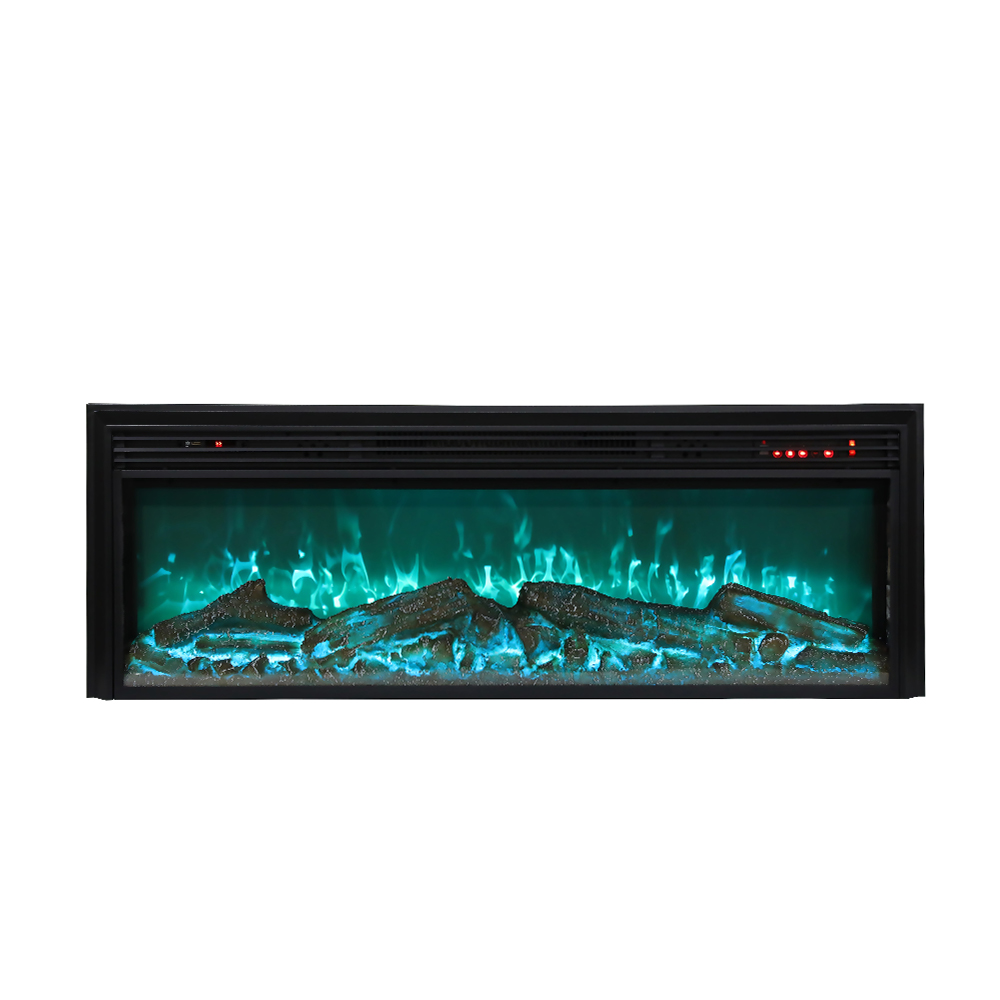
An experienced Built-In Fireplace Manufacturer often provides technical drawings and installation guidance that help avoid delays on-site. This level of preparation supports smoother project execution and reduces the risk of post-installation adjustments.
Maintenance Expectations in Daily Use
Maintenance requirements vary depending on the fireplace type, but built-in designs generally allow easier integration of access points for cleaning and inspection. Gas systems may require periodic checks, while electric models focus more on component inspection. Wood-burning units need regular cleaning to maintain proper airflow.
Clear maintenance planning helps users keep performance stable over time. Many project planners prefer working with a Built-In Fireplace Manufacturer that offers consistent production standards, making replacement parts and long-term support more predictable.
 ++86-0579-89919977